Interview with Péter Hunya, founder of Duna Steel Tech

Independent operation from owners, sale of the company, or both?
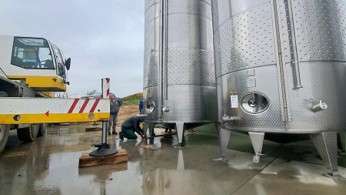
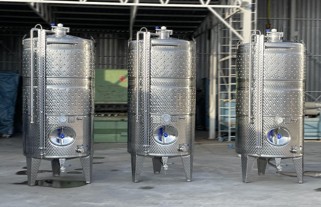
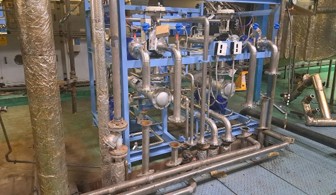
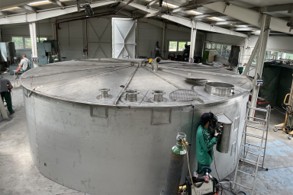
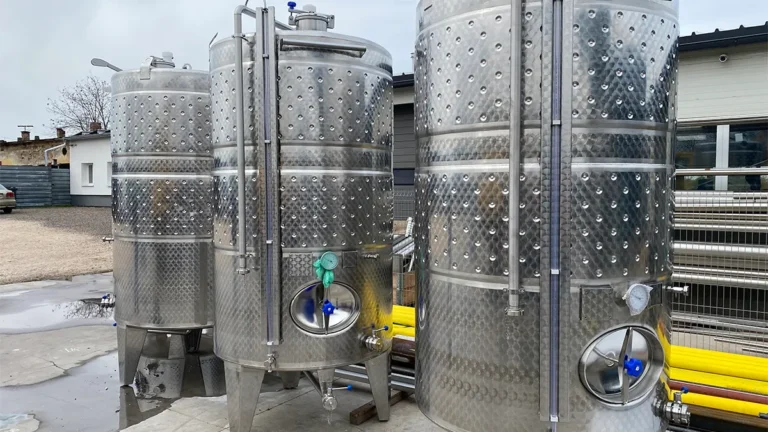
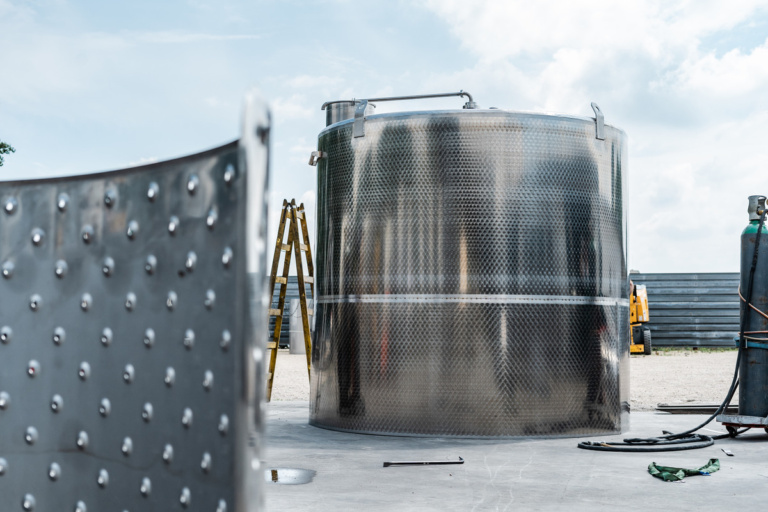
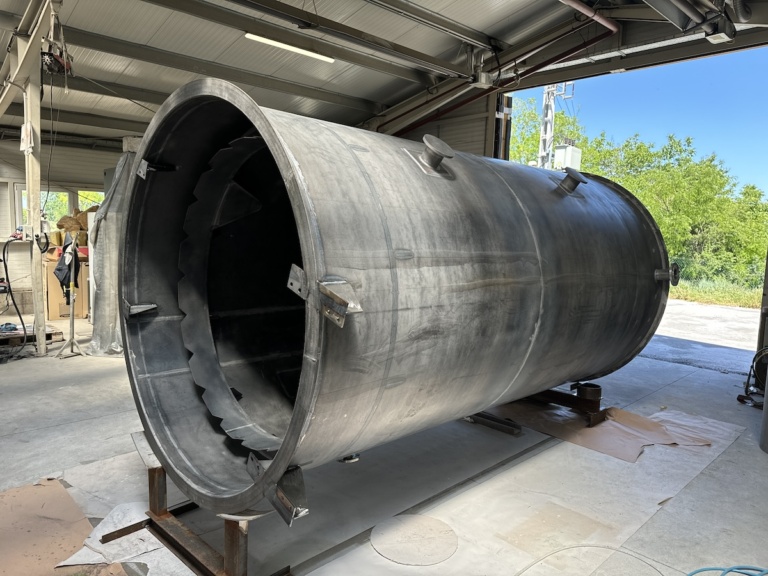
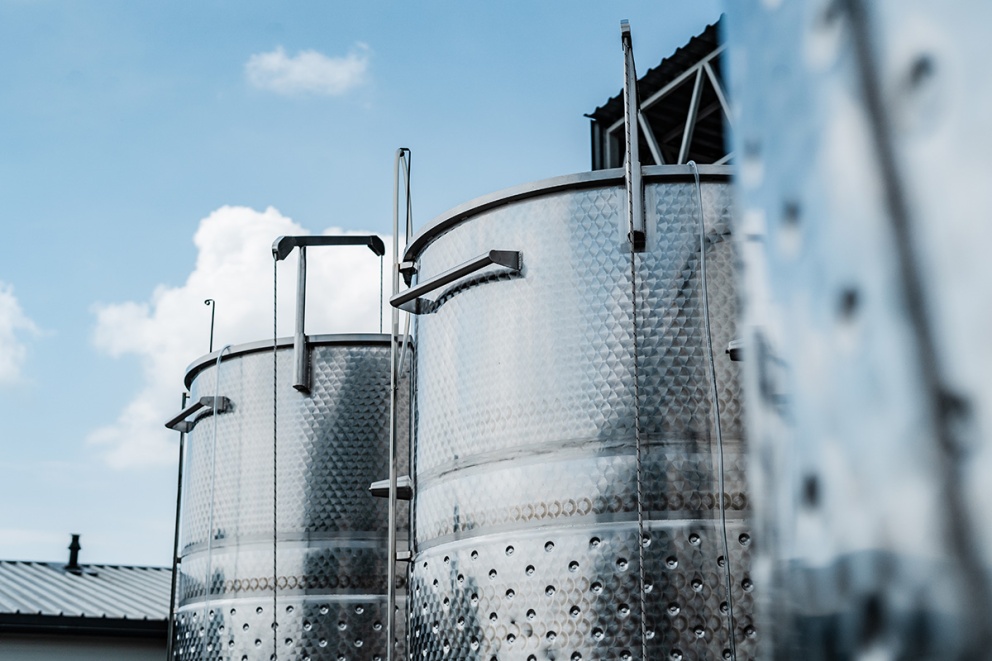
- Founded in 2014, Duna Steel Tech Kft. has grown into a dynamically developing SME with 30 employees in ten years thanks to its flexibility, precision, and deep expertise. The company has four main business areas: tank manufacturing, machine part manufacturing, pipe installation and ad hoc maintenance, and stainless steel structure manufacturing. The company works with management independent of its owners and is gradually placing its operations on an increasingly structured and professional footing. Conscious developments have not only supported growth, but also created the conditions for a successful business sale transaction. In the interview, we talked to Péter Hunya, founder of Duna Steel Tech, about the path to building the company, the transaction process, and how to consciously prepare for a change of ownership.

What was the main reason that made you consider selling the company?
- The primary reason for me was my family: I have three children, and I didn't want to miss out on their lives because of my work with the company. I didn't want the business to get in the way of that. It was a completely personal decision; economic considerations only came into play afterwards. Basically, I wanted more free time. Therefore, it was important to me that the company's operations be independent of the owner, i.e., me: there should be processes, customers, and smooth operations even without me. We began to implement this first with marketing and then management developments, which were later followed by internal process management and optimization.
- At that point, I saw two options before me: one was to gradually take a back seat in a self-operating company and only assume a controlling role as an owner; the other was to sell the company in its entirety. In the end, I decided on the latter because I know myself: I would not be able to completely detach myself from the company's affairs.
What was the condition of the company before the sale, and what financial, operational, or organizational steps did you take to prepare for the process?
- In the beginning, we operated as a one-man show, and everything depended on me. After a while, however, I felt that I had reached my limits. I see this at other companies too, where the founder often insists on being the alpha and omega. However, I think it's important to recognize when this is no longer sustainable. That's why the most important thing was to establish independent management, a controlling system that accurately tracks profitability, and automated sales and marketing processes.
- Thanks to this, we have made great strides financially: in three years, we have grown from 440 million forints in revenue to 1 billion. This was clear feedback for me that the transformation was moving in the right direction.
- By this point, I was primarily focused on strategic decisions. Therefore, during the sales process, I was able to present the company as one that would remain operational and profitable even without my presence, and this was perhaps one of the most important value drivers for the buyer.

What kind of customer did you imagine would be ideal, and why did you ultimately find the best match with the actual customer?
- I didn't have any specific expectations regarding the type of buyer, and we negotiated with several types of investors during the transaction. What was really important to me was the long-term viability of the company. I was looking for an investor who was professionally strong and could ensure that the company would continue to grow in the future. I wanted the employees to feel secure and keep their stable jobs.

How did you experience the transaction process? What proved to be the most important factor in the agreement, what experts did you involve, and what was the biggest challenge for you?
- I knew it wouldn't be easy, but in the end it went much more smoothly than I had prepared myself for. Mercurio helped me a lot with this: I received a lot of advice on what to look out for during the due diligence process, which other advisors to work with, and what the most important aspects of the process are.
- I considered it essential to involve experts. Mercurio provided the company valuation, project management for the entire process, led the negotiations, and provided operational support for the closing. What's more, thanks to the friendly relationship we developed by the end of the process, we even had a good discussion about the subsequent investment of the purchase price. Becher and Torma Law Firm provided professional and indispensable services on the legal and tax side.
- Perhaps the most difficult aspect was the pace of the process. I am a quick decision-maker, and certain stages of the transaction seemed slow in comparison. At the same time, I realize that in many cases this was not due to a lack of willingness on the part of the parties, but rather to the complexity of the situation, which always had to be examined from multiple angles and with the involvement of multiple experts. In many cases, it was precisely this slower pace that ultimately made the process successful, because it allowed us to work out a solution that was acceptable to all parties. Furthermore, I was not under any pressure or deadline, so we were able to adhere to the principle that "good work takes time." The advisors pointed out to me at the outset that the sale would be a 9-12 month process, which was roughly in line with our expectations, so there were no surprises.

How do you see the company's future after the transaction, how is the transition going, and how do you feel about stepping back from day-to-day operations?
- Under the terms of the agreement, I also have obligations for the near future, so it remains in my interest that the company continues on its growth path. I feel that it is in good hands, and it is clear that the buyer wants to achieve long-term goals through professional work. The new owner can count on me to continue to support this process during the transition period and in the medium term.
- On an individual level, I work just as much as before, but my stress levels are significantly lower, as I no longer bear the same responsibility for decisions. Of course, I still feel curious and sometimes frustrated when the new CEO makes a different decision than I would have. At the same time, I believe that this change can contribute to development, and I look forward to seeing its long-term results.

What message would you give to owners who are considering selling?
- My advice to everyone is not to think that this will happen overnight. You need to prepare thoroughly, learn about the sale, and accept that there are people who know more about this than you do. Don't skimp on the money, energy, and time you invest in a team of experts who can make the process run more smoothly. What I would do differently today is invest more energy in what happens after the transaction—it's worth thinking this through in advance. Selling a company is a kind of "human experiment": it turns out whether what we imagined will work. For me, involving external consultants was clearly valuable: I gained the knowledge and experience of professionals who knew exactly what to look out for during such a process. This spared me a lot of uncertainty and contributed significantly to the success of the transaction.